
When cancer moves into a home, it doesn’t just live in the scans and reports. It moves into the kitchen, the bathroom, the bed sheets, the doorbell. It quietly rewrites how you think about food, germs and guests.
In my head, after years of studying cancer, I knew nutrition and infection prevention were important. In practice, I underestimated how fast things can go wrong if you don’t change the daily basics. This part is about those unglamorous basics – and a few lessons I wish I’d learnt earlier. For a practical head‑to‑toe checklist, you’ll find a Body Care Resources table on the Resources page.
When food stops being food
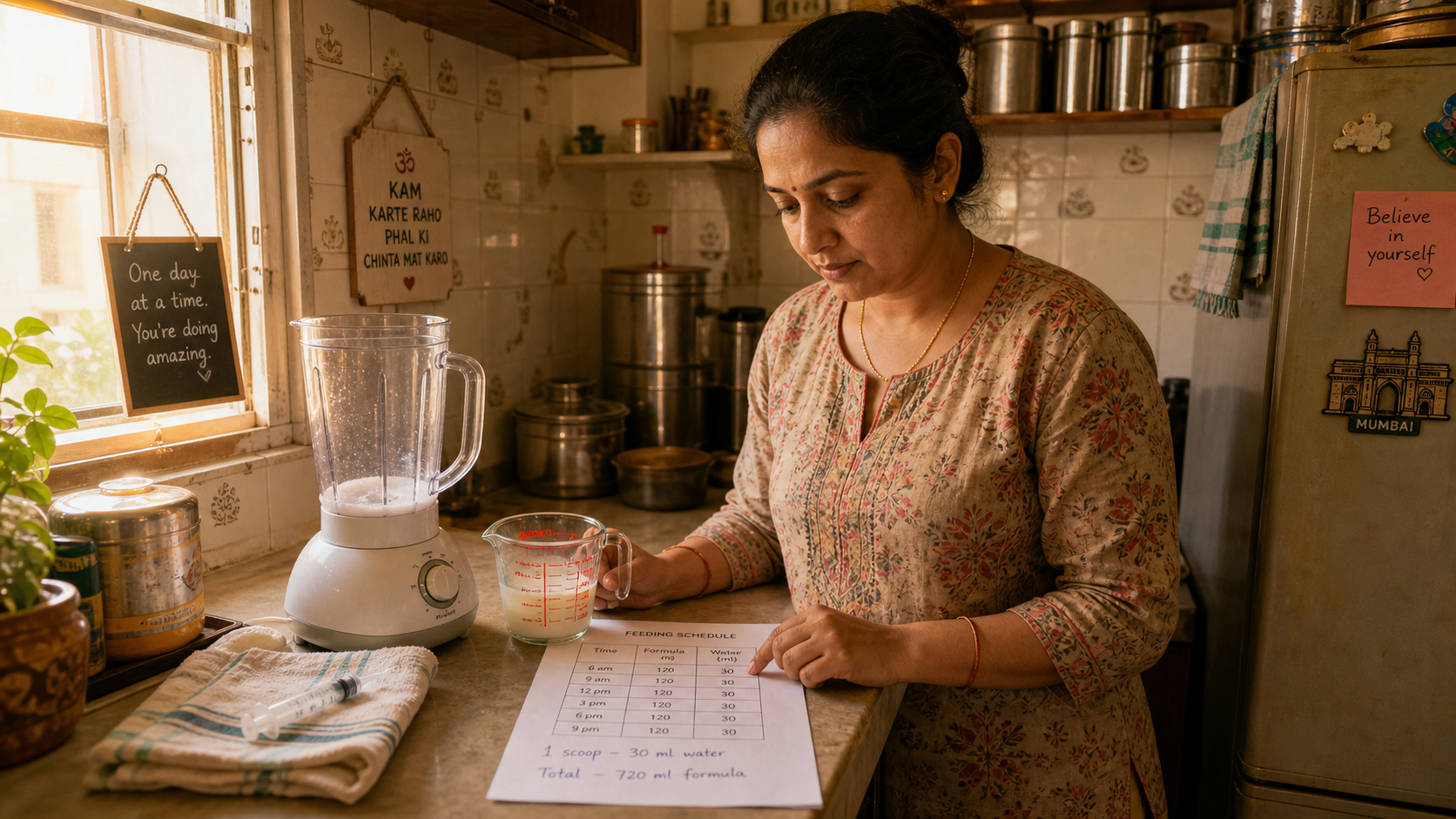
For most of his life, food was pleasure for my father. Spicy, crunchy, shared. Then radiation and pain turned it into negotiation, and finally into “just get something in.” As swallowing became harder, he moved from solid meals to liquids and then to a Ryle’s tube. That shift should have set off sirens in my head: fewer “meals” now have to carry more nutrition.
What actually happened is that I kept thinking in normal‑meal terms. One “decent feed” through the tube felt like a win. I didn’t realise that, on paper, he was getting far fewer calories and much less protein than before. The weighing scale, of course, did not care about my feelings. He started losing weight at almost twice the speed.
If I could redo this, I’d do two things the day we switched to liquids or tube feeds:
- Ask the oncologist or dietitian, very bluntly: “How many calories and how much protein does he need now, and how many feeds will it take to get there?”
- Treat every ml going into that tube as prime real estate and pack it with nutrient‑dense formulas instead of just “something light.”
Numbers may feel cold when you’re emotional, but they are your friend here. They’re how you slow down how fast the disease strips away strength.
Cleanliness as quiet, repetitive love
Cancer treatment often leaves patients more vulnerable to infections. In a small Mumbai apartment, that translates to a daily rotation of sheets, towels, handwashing and wiping down surfaces that everyone touches.
I did the obvious things: fresh pillowcases, clean bed, wiping the bedside table. What I didn’t do was turn it into a simple system. I cleaned when something looked or felt dirty. By the time something looks obviously dirty, it’s often late in infection‑prevention terms.
If I could give past‑me a checklist, it would look like this:
- Daily: fresh bed-linens, quick wipe of high‑touch surfaces – bed rails, switches, remotes, side tables.
- After every feed or change: handwashing or sanitiser, no excuses.
- Weekly: a complete clean-up of his room, not “when I find the time.”
They’re small, boring habits. But in a house where immunity is low, they’re also acts of love.
But here’s what I had to keep reminding myself: a spotless room without warmth is just a very clean prison. So yes, wipe down the surfaces — and then sit with him for ten minutes doing absolutely nothing useful. Play an old Rafi song. Show him a ridiculous reel. Let him complain about the food (even the food you just lovingly prepared and syringe‑fed him). The body needs calories; the spirit needs reasons to want them.
Visitor etiquette (that I wish I’d enforced)
Now for the socially awkward part: visitors. People wanted to come. They wanted to hold his hand, cheer him up, “show support.” Culturally, it is very hard to say no to that. It’s even harder to say, “Yes, but please sanitise, wear a mask, and keep it short.”
I’ll be honest: I didn’t enforce visitor etiquette well. I knew, intellectually, that every extra person brought extra germs. But when a relative had travelled across town with fruits and blessings, asking them to put on a mask felt like I was insulting them. So I often let it slide.
If I had to write a script for my younger self now, it would sound like this (said with a smile, but not negotiable):
“I’m so glad you’re here. Before you go in, can you please sanitise and wear this mask? His immunity is very low and we’re being extra careful.”
Would some people still roll their eyes? Absolutely. Would I rather deal with an eye‑roll than a fever in a cancer patient at 2 a.m.? Now, yes.
So if you feel shy about setting rules in a tiny home, consider this your permission slip: you’re allowed to be “that person.” You’re not being dramatic. You’re doing, in your living room, what hospitals do with hand rubs and PPE – just without the uniform.
The invisible job description
No one warns you that you’re about to become Head of Nutrition, Chief Infection Control Officer and Guest Relations Manager, all at once. You just wake up one day and realise you’re counting calories, scrubbing surfaces and trying to politely stop someone’s sneeze from landing on your father.
If you’re at the start of this road, here’s the summary I wish I’d had:
- when food changes form, change your strategy;
- when immunity drops, cleanliness and visitor rules are not overreacting;
- and when you feel like the bad cop at the door, remember your real job is not to keep everyone comfortable – it’s to keep your patient as safe and strong as possible.
In the next part, I’ll talk about one specific change that completely altered our home and my role as gatekeeper: the day “tracheostomy” became part of our vocabulary.

Leave a Reply